Your Guide to Water Management Solutions
Effective Water Management Options: Safeguard Your Home From Water Damage
Effective drainage system solutions function an indispensable role in safeguarding properties from aquatic harm. Correctly designed systems can move excess water away from foundations, aiding to prevent serious issues such as flooding and microbial proliferation. However, many homeowners overlook the significance of these systems until problems happen. Understanding how to identify common causes of moisture harm and knowing the essential solutions obtainable can make all the impact. What aspects should homeowners factor in to ensure their properties remain protected?
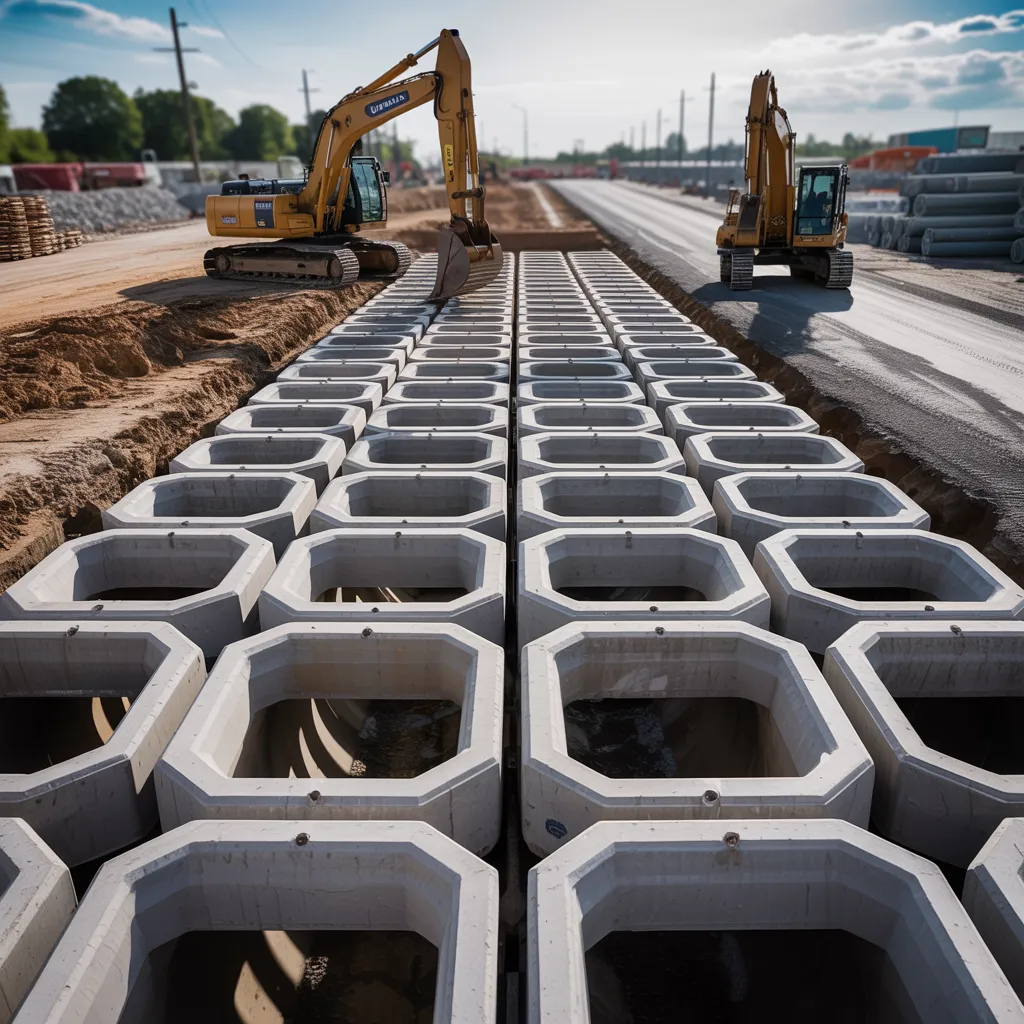
Recognizing Typical Factors Behind Water Deterioration
Identifying typical origins of water damage is important for effective prevention and mitigation. Various causes can lead to water-related problems in properties, each needing distinct attention. Leaky roofs often permit rainwater to seep in, producing structural damage and mold growth. Broken pipes, whether from wear or impact, can release considerable amounts of water, damaging walls and flooring. Additionally, poor sealing around windows and doors can cause vulnerabilities during heavy rainfall. Basements, when improperly waterproofed, are especially at risk to flooding, especially in regions exposed to heavy storms. Clogged gutters can also worsen the issue by directing water toward the foundation instead of away from it. Recognizing these common causes allows property owners to adopt proactive measures, ultimately securing their homes and cutting down the risk of costly repairs and health issues caused by water damage.
Grasping the Criticality of a Quality Drainage Network
A efficient drainage system is vital for preserving the integrity of a property and avoiding water-related issues. Proper drainage channels water away from foundations, lessening the risk of structural damage and mold growth. It is necessary for protecting landscaping, as overabundant water can deteriorate soil and damage plants. A dependable drainage system also helps manage stormwater, reducing the possibility of flooding and protecting local waterways from contamination.
Moreover, properly installed drainage systems support the overall look of a property by stopping objectionable puddles and water accumulation. Homeowners and property managers need to prioritize the establishment and upkeep of drainage solutions tailored to their unique environment. This strategic approach not only enhances property value but also guarantees a safe and healthy living space. Appreciating the significance of a good drainage system is the first step in securing durable protection against water damage.
Critical Drainage Options for Effective Water Management
While various drainage solutions are at hand, choosing the right ones is essential for sound water management. A well-designed drainage system can prevent water accumulation, leading to reduced risk of flooding and structural damage. Key solutions include French drains, which redirect groundwater away from foundations, and surface drains, intended to collect water from paved surfaces. Additionally, downspout extensions direct roof runoff away from the property, while swales can help govern surface water flow through landscaping.
By setting up a sump pump, you can further shield cellars from flooding by removing surplus water. Rain gardens also represent an eco-conscious choice, permitting water to be naturally soaked up while enhancing the environment. Each of these options plays a important role in controlling water flow and protecting properties from potential damage. Implementing a combination of these drainage options can create an all-encompassing approach to efficient water management.
Selecting the Top Drainage Options for Your Home
When selecting drainage systems for a home, it is essential to recognize common drainage issues that may occur. Understanding these issues helps property owners select suitable solutions customized to their particular requirements. By addressing possible complications, they can ensure a dependable and effective drainage system.
Standard Drainage Obstacles
Many property holders encounter common drainage issues that can result in considerable property damage if not addressed quickly. Poor grading around the foundation often results in water pooling near the home, increasing the risk of basement leaks. Clogged gutters and downspouts can also worsen drainage problems by not properly directing water away from the property. Additionally, improper drainage systems or absence of drainage solutions can cause overabundant moisture in yards, leading to erosion and damage to landscaping. In some cases, tree roots can infiltrate drainage pipes, causing blockages and backups. Recognizing these issues early is important for homeowners to put in place effective solutions, safeguarding their properties from the long-term effects of water damage.
Successful Drainage Solutions
Choosing the right drainage solution is crucial for maintaining a sound home environment. Homeowners have various options to take into account, including French drains, channel drains, and surface drains, each designed to address specific water management needs. French drains, often installed underground, effectively redirect water away from foundations, while channel drains manage surface runoff in areas prone to pooling. Surface drains, typically placed in low areas, collect excess water and channel it toward appropriate outlets. Additionally, homeowners should assess their landscape's slope and soil type to choose the most effective system. Consistent upkeep of these drainage systems is essential to guarantee they function at their best, safeguarding the property from potential water damage and maintaining its structural integrity.
When Should You Think About Improving Your Drainage? Learn How to Spot the Indicators
The effectiveness of a drainage solution can significantly affect property integrity and overall environmental health. Homeowners must remain alert for indicators suggesting that an improvement may be required. One obvious sign is persistent standing water in yards or basements after intense precipitation. This indicates that the current system may be overtaxed or poorly configured.
Furthermore, regular erosion or debris buildup around landscaping features can indicate inadequate water flow capability. If water frequently pools near the foundation, it can jeopardize building integrity and result in expensive deterioration. Noticing an increase in mold or mold growth in basements or crawl spaces can also be a warning sign, as it indicates high moisture retention.
Finally, if existing drainage systems require constant repairs and upkeep, it may be more economical to consider a comprehensive improvement. Identifying these warning signs early on can safeguard both your property and investment from potential water-related damage.
Maintenance Ideas for a Reliable Drainage System
Spotting the signs that a water drainage system needs an enhancement can lead building owners to stress maintenance for existing systems. Routine assessments are important, allowing for the early detection of obstructions, seepage, or wear. Property owners should verify that roof gutters and drainage pipes are clear of debris, as hindrances can trigger water discharge and foundation injury. In addition, checking for proper slope around the property can help direct water away from structures.
Routine maintenance of drainage channels and French drains prevents buildup that causes ineffective drainage. It is also recommended to review and maintain sump pumps to ensure they function during heavy rainfall. Finally, tracking vegetation growth near drainage areas can stop roots from penetrating and causing blockages. By applying these upkeep strategies, property owners can enhance the functionality of their drainage systems and safeguard their properties from water-related issues.
Perks of Investing in Proven Drainage Systems
Investing in efficient drainage systems not only enhances property value but also safeguards against possible water damage. Proper drainage solutions mitigate risks associated with flooding, erosion, and mold growth, which can have devastating effects on structures and landscapes. By channeling water away from foundations and critical areas, property owners can prevent costly repairs and guarantee long-term stability.
Furthermore, proper water management systems contribute to better soil conditions and landscape aesthetics, promoting better growth for gardens and lawns. This can lead to a more visually appealing setting and increase overall property appearance. Additionally, many insurers provide lower rates for properties equipped with efficient drainage systems, additionally improving the financial complete guide benefits of such improvements.
Common Inquiries Asked
How much will you anticipate to pay for drain system installation?
A typical cost for drainage system installation falls between $1,500 to $5,000, dependent upon factors like property size, the type of soil, and the complexity of the system. Property owners should request several quotations for precise budget planning.
Is it possible to put in a drainage solution by myself?
Yes, a water management system can be constructed by an person with appropriate skills and instruments. However, it calls for precise organization and awareness of local building codes to guarantee effectiveness and obedience with regulations.
What Licenses Are Needed for Drain Setup?
Local ordinances often mandate authorizations for drainage installation. Property owners should reach out to their local authority to establish specific permit requirements, which may differ based on property type, drainage system complexity, and environmental considerations. Compliance guarantees lawful and efficient installation.
What Is the average duration of drain systems?
Drainage systems typically last from 30 to 50 years, depending on materials, installation quality, and maintenance. Routine checks and prompt maintenance can greatly extend their lifespan, ensuring effective performance over time.
What Are Indicators of Poor Drainage in My Yard?
Inadequate water drainage in a yard consists of standing water, water accumulating near the foundation, saturated earth, mold growth, and stunted plant growth. These signals point to inadequate water management and likely danger for property deterioration.